
For buyers and sellers
What buyers and sellers should know about the siding, windows, and doors in Jacksonville and Eastern North Carolina.
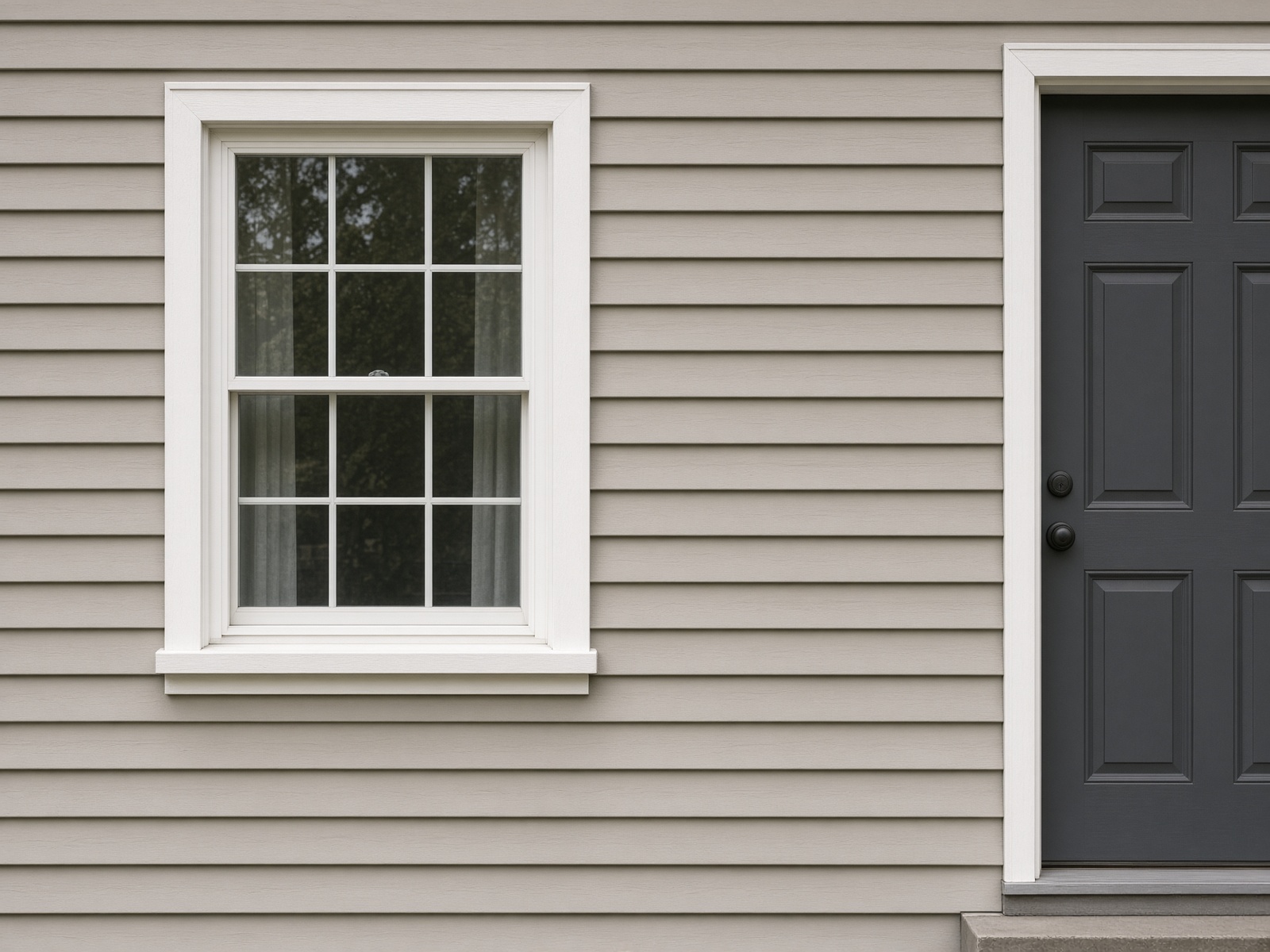
On a home inspection in Jacksonville and Eastern North Carolina, the outside skin of the house is checked for material, weathering, and the places water can get behind it.
What changes the price
Damaged siding, a window or door that does not operate, and water already behind the wall are the items buyers negotiate.
Siding
The material is named. Vinyl, fiber cement, wood, and brick veneer are the ones most houses here use. Damaged courses, gaps at penetrations, and improper installation are photographed. Sun and wind on the coast age the outside of a house faster than a mild climate does.
Windows
Trim, screens, caulk, and flashing are checked on the outside. The sash is operated. A window that does not open, lock, or sit square is written down. The inside face of that same window is part of the interior inspection.
Exterior doors
Each exterior door is operated. Damage, a threshold that is worn through, and weatherstripping that no longer meets the slab are noted. Daylight at the bottom of a door is a water and air path, not a small fit issue.
Water behind the skin
Failed caulk and missing flashing let water in behind the siding. A suspected wet wall is checked with a moisture meter. Thermal imaging, included on every full inspection, is used to find hidden moisture.
Exterior doors are checked on both sides
Windows are checked on the outside here. The inside of the windows, and the interior doors, are on the interior page. Exterior doors, inside and out, stay on this page.
This is one part of the buyer checklist. Grade and downspouts that soak the wall are covered with the foundation.
No-obligation pricing
See the outside of the house before you own the repairs.
Takes less than a minute.